Home>Christian Resources>Historical Insights and Evolution of the United Anglican Church
Christian Resources
Historical Insights and Evolution of the United Anglican Church
Published: January 29, 2024
Explore the rich history, theological evolution, and global impact of the United Anglican Church, from its origins to contemporary challenges.
(Many of the links in this article redirect to a specific reviewed product. Your purchase of these products through affiliate links helps to generate commission for Christian.net, at no extra cost. Learn more)
Tracing the intricate tapestry of faith and tradition, the United Anglican Church stands as a pivotal figure in the realm of the world’s largest Christian Protestant denominations. This article embarks on a profound journey into the origins, historical milestones, and the ever-evolving theological and liturgical identity of this venerable institution. From its initial roots to its expansive global presence today, the United Anglican Church’s story is a resonant testament to its resilience, adaptability, and enduring commitment to spiritual and communal growth.
Origins and Foundations
The genesis of the United Anglican Church is inextricably linked to the tumultuous reforms of the 16th century. Breaking away from the Roman Catholic Church, the Anglican tradition was birthed in a quest for theological sovereignty and ecclesiastical reform. This period marked the dawn of Anglicanism, setting the stage for centuries of theological refinement and liturgical development.
- The Act of Supremacy (1534): Marking Henry VIII’s definitive break from Rome, this act established the monarch as the supreme head of the Church of England, laying the groundwork for Anglican ecclesiology.
- The Elizabethan Settlement: A pivotal moment that defined the Church of England’s middle way or via media between Roman Catholicism and Protestant Reformations, balancing traditional liturgy with reformed theology.
Read more: The Influence Of Religion On Education
Theological Evolution and Liturgical Practices
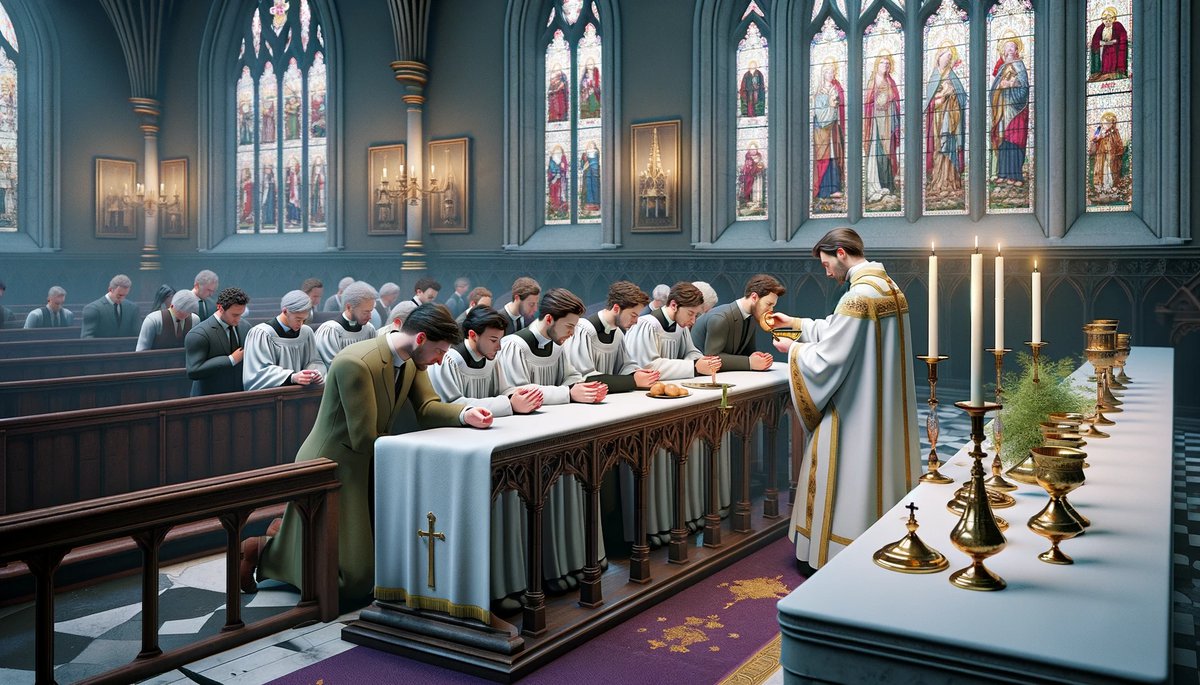
The theological and liturgical landscape of the United Anglican Church is a mosaic of tradition and reform. Its evolution reflects a commitment to the via media, navigating between the sacramental richness of Catholicism and the scriptural centrality of Protestantism.
- The Book of Common Prayer (1549, revised in 1662): Perhaps the most significant liturgical document in Anglicanism, it embodies the essence of Anglican worship and theology, emphasizing the importance of accessible, communal worship.
- The Thirty-Nine Articles of Religion (1571): These articles further solidified Anglican beliefs, outlining doctrines that straddle Catholic heritage and Reformed principles.
Global Expansion and Diversity
The 17th and 18th centuries witnessed the burgeoning of Anglicanism beyond English shores, propelled by colonization and missionary endeavors. This era heralded the transformation of Anglicanism into a global communion, marked by diversity in worship and theology reflective of its international presence.
- The American Revolution and the Episcopal Church: The formation of the Episcopal Church in the United States post-revolution exemplifies Anglicanism’s adaptability, adopting an American identity while retaining Anglican traditions.
- The Lambeth Conferences (from 1867): These decennial meetings of Anglican bishops from around the world exemplify the communion’s commitment to unity in diversity, addressing theological, social, and ethical issues.
The 20th Century and Ecumenical Relations
The 20th century was a period of significant theological reflection and ecumenical engagement for the United Anglican Church, fostering dialogues with other Christian traditions and participating in the global Christian movement towards unity.
- The Anglican Communion: Emerged as a more formally structured global body, emphasizing the bonds of affection and common heritage among Anglicans worldwide.
- Ecumenical Dialogues: The United Anglican Church played a pivotal role in the ecumenical movement, engaging in dialogues with the Roman Catholic Church, Orthodox Churches, and various Protestant denominations, reflecting its commitment to Christian unity.
Contemporary Challenges and Innovations
In recent decades, the United Anglican Church has navigated through waters of theological debate, social change, and the quest for relevance in a rapidly evolving world.
- Social Justice and Inclusion: Addressing contemporary issues such as human rights, environmental stewardship, and the inclusion of LGBTQ+ individuals, the United Anglican Church has sought to embody Christ’s teachings in action and advocacy.
- Technological Advancements: Embracing digital technology to spread the Gospel and connect the Anglican community worldwide, especially in times of global crises like the COVID-19 pandemic.
Conclusion: A Living Tradition
As the season of Ash Wednesday ushers in a time of reflection and renewal, the United Anglican Church stands as a beacon of dynamic, living tradition, deeply rooted in history yet always moving forward. This journey, stretching from the Reformation to our present era, weaves a rich narrative of faith, resilience, and the capacity for adaptation. Facing the future, the Church embraces the delicate balance between tradition and change, committed to fostering environments where diverse voices resonate and the Gospel flourishes in vibrant, inclusive communities.
In the ever-unfolding story of the United Anglican Church, we find a microcosm of the broader Christian experience — a journey marked by challenges and triumphs, division and reconciliation, all held together by the grace of God. As this tradition moves forward, it carries with it the legacy of centuries, a testament to the enduring power of faith to navigate the complexities of the human and divine.